Milestone
Books built from living memory — an engagement, a wedding, an anniversary, a life still being lived.
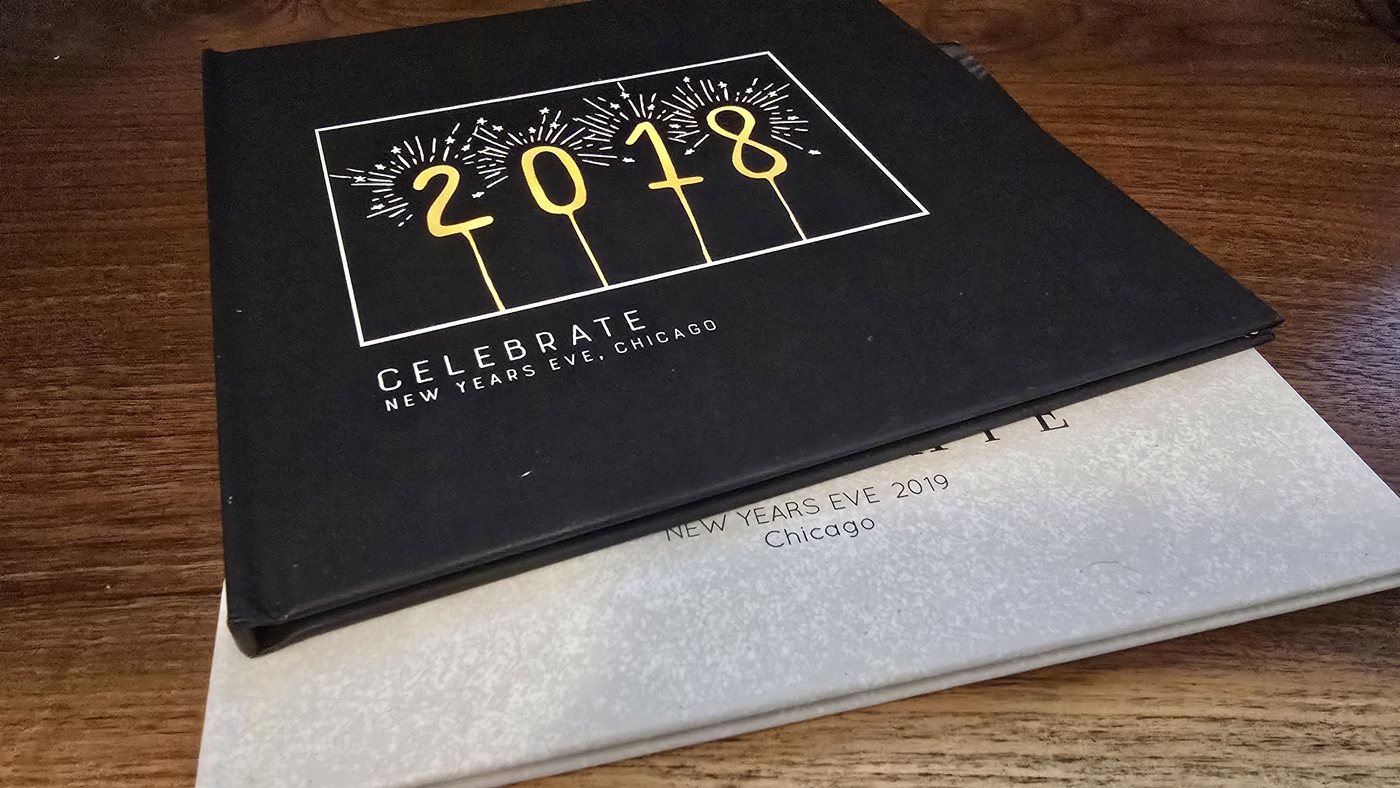
The Milestone line is a different object from the genealogy work, and it makes different claims.
A Milestone book is built from interviews and photographs rather than from archival research. It records what people say about their own lives, in their own words, alongside the pictures they chose. It is testimony, gathered carefully and attributed precisely — who said it, when, and to whom.
Three levels
One ladder serves every occasion — a wedding, a baby, an adoption, an anniversary, a milestone birthday, a memorial. Only the questions change between them.
One subject, one occasion. The smallest complete book — two interview sessions, a follow-up round, and up to five documents checked against what was said.
About 36 pages · 24 photographs · 2 people interviewed · quality hardcover
Choose this if the occasion is close and the story belongs to one person.
The full subject, properly heard. Four sessions across up to four people, so the account is corroborated rather than single-sourced, with a life timeline.
About 60 pages · 40 photographs · up to 4 interviewed · cloth, foil, slipcase
Choose this if more than one person holds part of the story, or the subject is a couple.
Two generations, in their own words. Seven sessions reaching back past the subject, two follow-up rounds, up to twenty documents verified.
About 100 pages · 70 photographs · up to 8 interviewed · leather, presentation box
Choose this if the people who remember the generation before are still here to be asked. That window is why this level exists.
Every level carries the same three commitments: every person is interviewed alone at least once, because a joint session is one account in two voices; every session ends with the same question — what have I not asked about?; and a frail informant is scheduled first, ahead of whoever is paying for the book.

How it is made
Interviews are conducted and recorded, then transcribed. Testimony is attributed to a named speaker and dated. Where two people remember an event differently, both accounts appear; the book does not adjudicate between them.
Photographs are supplied by the family and reproduced with care. Rights and permissions are cleared in writing before anything is printed, including for photographs taken by third parties.
What it is not
This line does not perform archival genealogical research and does not claim to. It is not conducted to the Genealogical Proof Standard, and it does not present its contents as documented findings. It is a record of what was said and what was kept, made well.
If what you want is the documented line behind the family, that is the genealogy work, and the two can be commissioned together.
The shoebox and the failing drive
Almost every Milestone commission starts the same way: a shoebox, three albums, and photographs on a phone and an old laptop that nobody has backed up. Getting all of it into one place, safely, is available as part of the commission.
We can coordinate local scanning services; or items can travel by insured carrier against a signed photographic inventory made before anything is packed. You receive archival masters for keeping and ordinary JPEGs for sending round the family, arranged by person and occasion with an index, on a secure download area of your own. Fragile material is assessed first, and anything unlikely to survive handling is returned untouched with an explanation. Originals always come home.
Repair and retouching are separate work — offered, and quoted on what the photograph actually needs.